Instructor Ed Jones has over 30 years of experience in theindustry, has the title of MasterWater Restorer, is an Institute ofInspection Cleaning andRestoration Certification (IICRC)-approved instructor, and hasserved on the S500-2021consensus body committee todevelop the most recent standard.
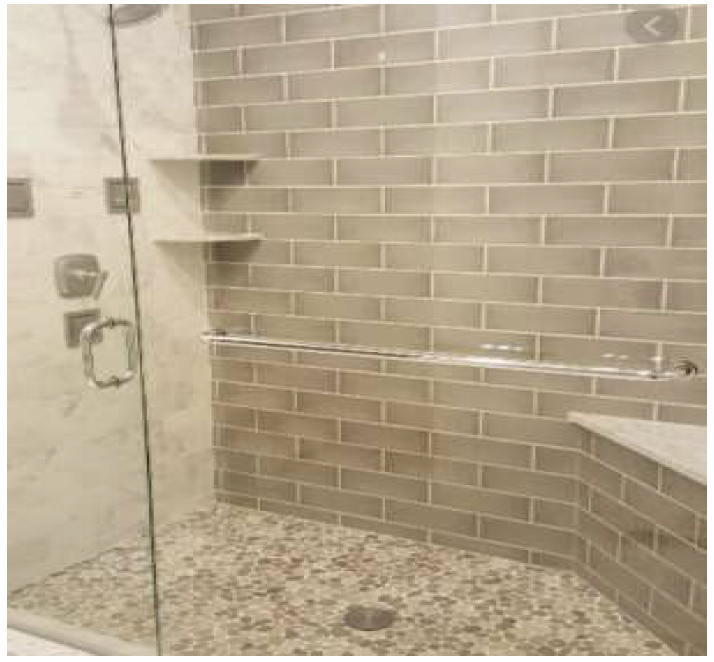
Many IICRC Approved WRT/ASD Courses for restoration contractors teach the technicians to dry ceramic tile, so it is not surprising when we hear from them that they need to dry it or there is trapped moisture underneath. I don’t know about you, but I have ceramic tile in my shower, and it is constantly getting wet. I don’t even try to dry out my shower with an airmover and a dehumidifier and it stays wet most of the time…with no mold and no water issues… I’m not sure how I’m getting away with that?
Ceramic tile is typically installed with wet mortar or thin set and grout. So, it is wet when it is first installed and stays wet for quite a while until it has a chance to acclimate. Guess what? We never see mold growing on the ceramic tile when it gets wet that is why we install tile in wet areas to begin with. Even when ceramic tile is installed over cement board and wood subfloor you would dry the wood subfloor from below and only extract any standing water from the tile's surface and then let it acclimate during your normal drying of wood framing, drywall, and other organic food sources for mold.
Beware that mold can grow on dirt and old soap scum so important that tile and grout is clean. At our IICRC approved ASD flood house in Ohio we installed ceramic tile over cement board over a plywood subfloor over a finished basement and a crawlspace and have now flooded it over 125 times with no issues. We even pulled up some cracked tiles a few months ago to replace them and no mold on wood or cement board underneath.
If ceramic tile is installed over a concrete slab foundation it can be saved even on category 3 water losses per the IICRC S500-2021 Appendix A, as long as cleaned adequately. When installed over wood subfloors the ceramic tile and cement board will acclimate overtime with no ill effects and we do NOT need to track moisture content readings! Of course, we need to focus drying any wood materials (subfloor and joists) that might be under the tile and track those readings to ensure drying targets were reached that will inhibit microbial growth.
One exception is when water penetrates beneath ceramic tiles that are cracked and the tiles are coming loose, then they may need to be removed. *Important to determine if this was a pre-existing condition or not
Another exception would be when categories 2 or 3 water penetrates underneath tile and cement board over a wood subfloor and then it will need to be removed to be cleaned adequately underneath per S500-2021 standard. *Section 16.3.12
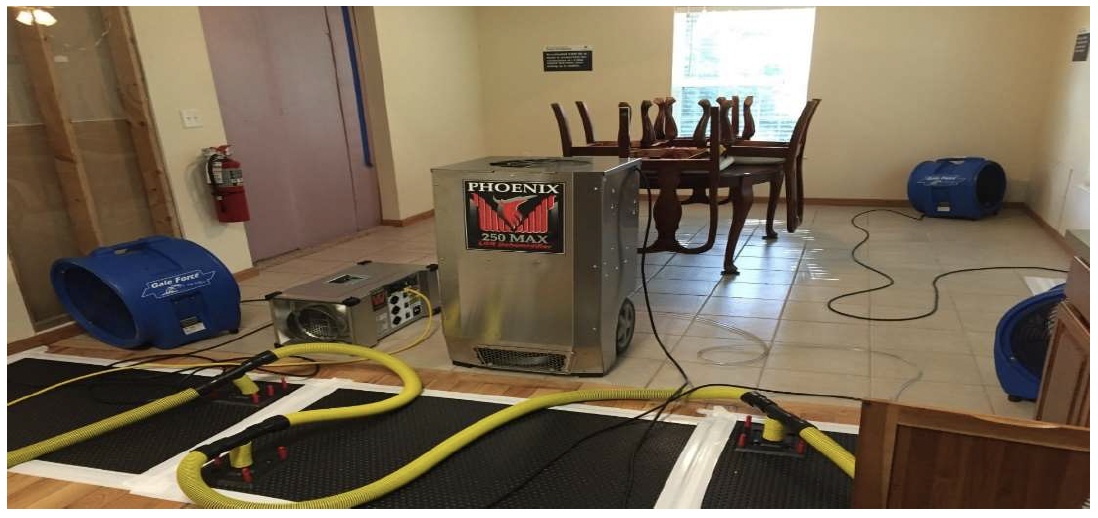
Accuserve IICRC approv ed ASD Disaster Recovery Learning Lab on the Clark State campus in Springfield, OH – kitchen/dining room after 125 floodings!
Contractor Newsletter
Sign up today to receive quarterly tips on best practices in home repair, growing your contracting business, and more.