Instructor Ed Jones has over 30 years of experience in theindustry, has the title of MasterWater Restorer, is an Institute ofInspection Cleaning andRestoration Certification (IICRC)-approved instructor, and hasserved on the S500-2021consensus body committee todevelop the most recent standard.
The ANSI/IICRC S500-2021 states “restorers may leave cabinets in place and dry walls effectively by circulating air in the interstitial space.” This includes cabinets affected with categories 1, 2 or 3 water, if the cabinet is not swollen or lost structural integrity from being wet. It is important on category 3 water losses or when there is visible mold on them, that any mold be removed and the cabinet cleaned thoroughly and then dried. Sometimes this may mean the cabinet needs detached and reset after cleaning. See S500-2021 Excerpt below from Appendix A showing cabinets are “B” Generally Restorable when affected with categories 1, 2 or 3 water:
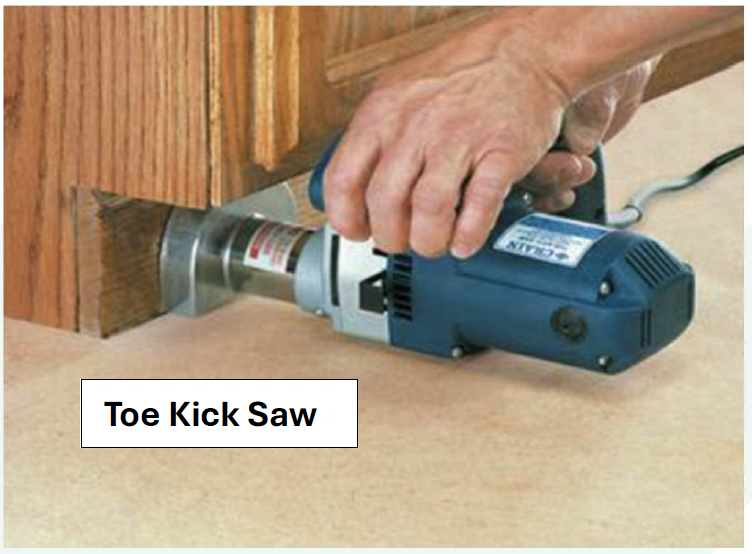
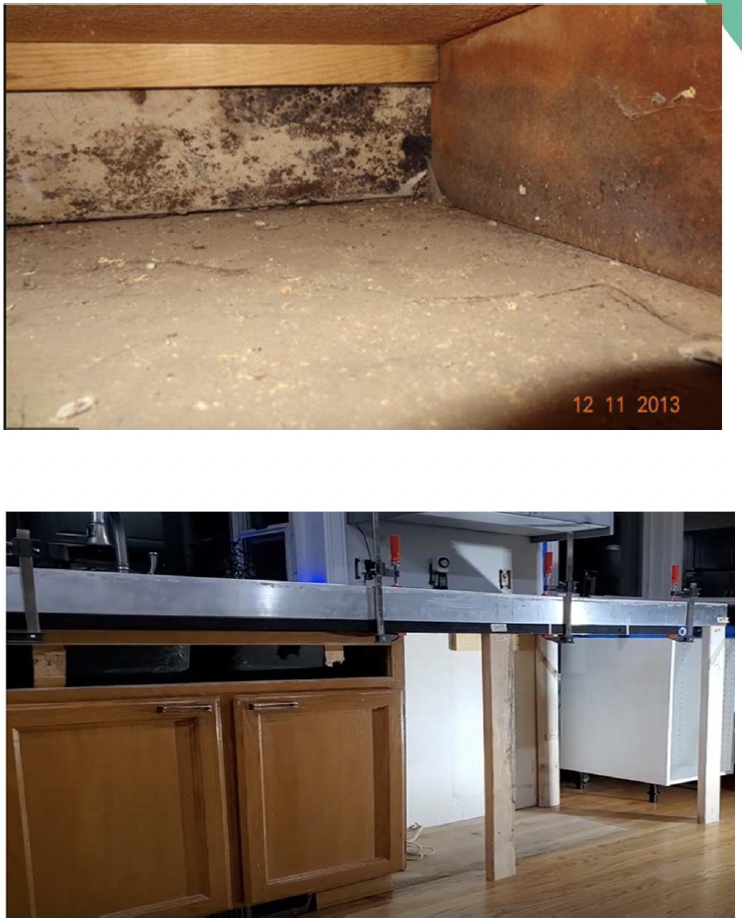
It is critical the restorer inspect inside, behind and underneath cabinets to identify what the core is made of, if they are wet, and if there is any visible mold or signs of long-term damage (staining, rot, etc.). Photos should be provided to document their condition and support technical recommendations. Even if the cabinets are showing dry, photos of the dry readings should be provided to prove the cabinets were not affected, especially if they are in proximity to the water damage. Because most cabinets have water supply and drain lines inside them, they are prone to water damage from slow leaks that are hidden from view and notorious for long-term damage, continuous seepage or rot. It is critical the restorer provide photos showing if they are affected or not and if there are any signs of long-term damage or mold! Photos, photos, photos! The S500 goes on to say, that a complete inspection of the cabinets can require drilling holes in inconspicuous areas and evaluating levels of moisture and drying options. This may need to be authorized by the adjuster, depending on the carrier specific guidelines. I recommend always removing the toe kick of the cabinet to better take photos of conditions and to take good readings under the cabinet where it is typically the wettest due to gravity.
To dry cabinets in-place it will be necessary to remove the toe kicks to circulate air underneath the cabinets and possibly cut holes through drywall wall behind the cabinet, if the cabinets are installed on an interior wall, to access them from behind. Sometimes tenting hot, dry air from your dehumidifier will help raise vapor pressure differentials to dry and save the cabinet. *Remember, do NOT put air movement on any potential mold growth! Always, provide photos and a sketch of your drying plan to gain prior approval. Then, provide good photos of your equipment setup and of your moisture content readings showing plan is working, including wet surface temperature readings if the cabinet is taking longer than normal to dry.
Moisture content readings can be taken under and behind cabinets with long probes attached to the restorer’s moisture meter and small holes drilled inside the cabinets that can be repaired with wood putty upon completion. Photos of penetrating moisture meter readings are essential!
Even when cabinets need removed the cabinet faces might still be able to be saved, so it is important to take photos before and after detaching the cabinets so their condition can be evaluated. Always let materially interested parties know BEFORE you remove any cabinets if you think countertops may be damaged during the removal of the cabinet. Never throw away cabinets without the adjuster’s approval and take good photos of any pre-existing damages!
Contractor Newsletter
Sign up today to receive quarterly tips on best practices in home repair, growing your contracting business, and more.