Instructor Ed Jones has over 30 years of experience in theindustry, has the title of MasterWater Restorer, is an Institute ofInspection Cleaning andRestoration Certification (IICRC)-approved instructor, and hasserved on the S500-2021consensus body committee todevelop the most recent standard.
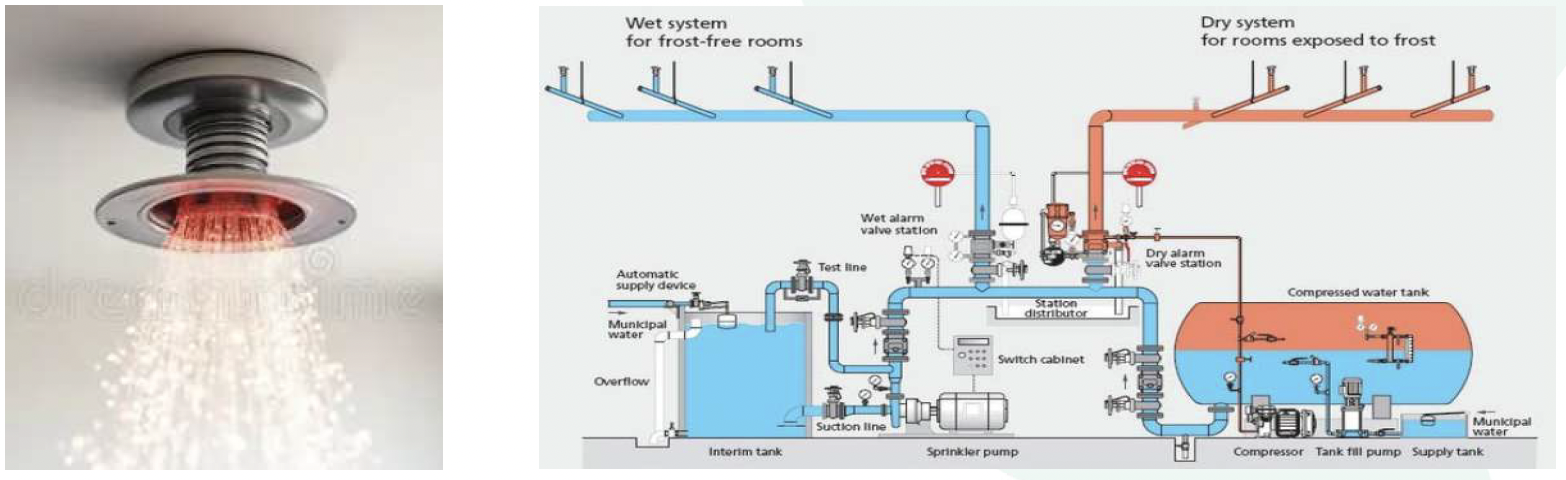
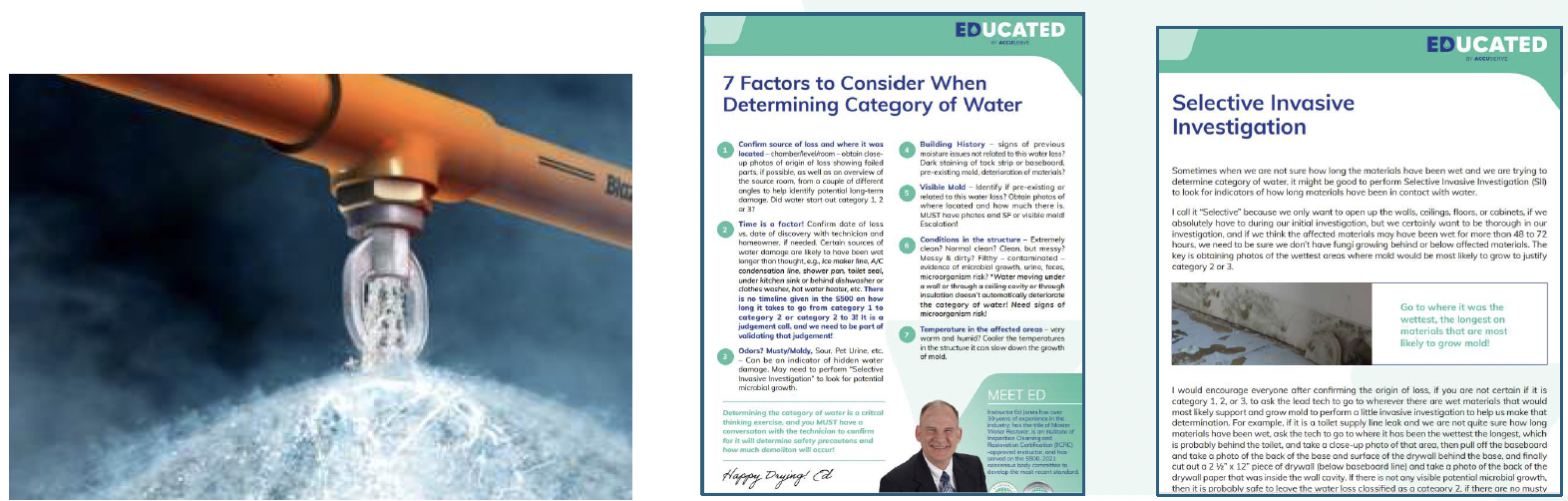
The ANSI/IICRC S500-2021 Standard for Professional Water Damage Restoration states, when the fire suppression system is connected to a public water supply, and no additives are present (new systems no longer contain ethylene glycol) and there are no other indications that contamination exists, it can be considered a category 1 water loss. It is recommended that the determination of category considers the volume of water that entered through the system, and the resulting dilution that occurred to potential contaminants. This means just because there was some standing water in the lines prior to the break doesn’t mean that stagnant water was enough to deteriorate the category of water once you consider how much water was released and that any potential contaminants were diluted to the extent it could still be considered a category 1 water loss.
Of course, conditions in all areas that were affected by the water need to be considered and remember time is a factor, so rapid response is essential. *See Getting Educated Article on 7 Factors to Consider When Determining Category of Water
When in doubt it is recommended the restorer contact the company responsible for the fire suppression system maintenance to determine the service maintenance schedule and potential additives present in the system. If the system is connected to a non-potable source or potential contamination conditions exist, then the category of water could be 2 or 3. When there is a dispute an unbiased outside expert could be employed to establish the correct category of water through various testing methods, e.g., ATP Testing, lab testing, etc. *See article on ATP Testing
When determining the category of water ask for photos of initial conditions in affected areas and reasoning behind determination of category of water considering:
Confirm source of water and where it was located - Follow the Path of the Water?
Differentiate between date of loss and date of discovery to identify how long materials have been in contact with water?
Consider any odors that could indicate hidden damage, especially musty/moldy odors - may need to open up areas of concern? *See Getting EDucated Article on Selective Invasive Investigation
Consider building history and signs of previous moisture issues like dark staining, deterioration of materials, visible mold, etc.?
Consider if there is visible potential microbial growth if it could have occurred from this water loss or could be pre-existing?
Consider the condition of the structure, e.g., pet urine, general housekeeping, etc.?
Consider temperatures in the structure for warmer temperatures can speed up the growth of mold?
In summary, in the past fire suppression line breaks were considered category 3 most the time, but that has changed, and more investigation and questions need to be asked to help determine the correct category of water. Remember, the category of water has important ramifications on not only taking specific safety precautions if it is a contaminated water loss but also on determining how much demolition should occur per industry standards.
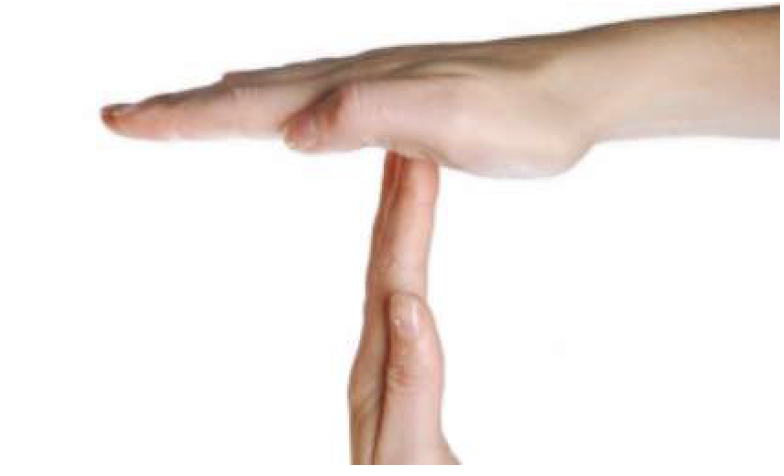
When in doubt, call "time out" for it is worth the extra time and discussion to ask questions and discuss reasoning so we get the category of water right the first time!
Contractor Newsletter
Sign up today to receive quarterly tips on best practices in home repair, growing your contracting business, and more.